
SOLUTION
-

Coating Kitchen System Optimization for High-Quality Coating...
Coating Kitchen System Design for Consistent Board QualityThe coating kitchen is the heart of coating board production, where coating color formulation, preparation, and supply directly determine surface quality, printability, and end-use performance. A modern coating kitchen system with automated recipe control can reduce coating defects by over 60% and cut coating color waste by 25-30%.Coating Kitchen Equipment ConfigurationPigment and Binder DispersionHigh-shear disperser: 55-90 kW, capacity 2-5 tons/batchDispersion time: 20-40 minutes at 1,200-1,500 rpmFinal particle size:
-

Fine Screening Technology for Premium Writing and Printing P...
Fine Screening: The Critical Quality Gate for Premium Cultural PaperPremium writing and printing paper demands exceptional cleanliness and formation quality. Fine screening and cleaning systems serve as the final quality gate before the paper machine approach flow, removing contaminants that directly impact sheet appearance, printability, and runnability. Modern multi-stage screening systems can achieve contaminant removal efficiency above 98% while maintaining fiber yield above 95%.Screen Selection Parameters for Cultural Paper GradesPrimary Fine ScreenScreen basket: 0.10-0.20mm slots for coated grades, 0.15-0.25mm for uncoatedCapacity: 80-150 TPD per unitOperating consistency: 0.8-1.5%Motor power: 45-75 kWPulsation frequency: 40-60 Hz for optimal debris removalSecondary and Tertiary ScreensSecondary basket: 0.20-0.30mm slotsTertiary basket: 0.25-0.40mm slotsReject thickening: 2.0-3.0% before tertiary stageCombined fiber loss: 92% of feed flowStage 2-4: Progressive thickening and rejectionFinal reject:
-

Complete OCC Pulping Line Design: Key Parameters for 400 TPD...
OCC Pulping System: The Foundation of Kraft Liner QualityThe OCC (Old Corrugated Container) pulping system is the first and most critical processing stage in kraft liner board production. A well-designed pulping system directly determines fiber quality, energy consumption, and overall line efficiency. For a 400 TPD production line, proper equipment selection and parameter optimization can reduce total pulping energy by 18-22% compared to conventional designs.Key Equipment Specifications for 400 TPD OCC LineDrum Pulper or Hydraulic PulperCapacity: 400-500 TPD at 4-6% consistencyMotor power: 315-400 kWPulping time: 15-20 minutes per batchDeflaking efficiency: >90% in single passHigh-Density CleanerThroughput: 400-600 TPDOperating consistency: 3.5-4.5%Reject rate: 8-12%Heavy contaminant removal: >98% for particles >1mmPressure Screen (Primary)Screen basket: 0.20-0.30mm slots or 1.2-1.6mm holesCapacity: 400-550 TPDOperating consistency: 1.5-2.5%Reject rate: 12-18%Motor power: 75-110 kWDouble Disc RefinerDisc diameter: 910-1100mmMotor power: 500-710 kWSpecific energy: 80-120 kWh/tonFreeness reduction: 150-200 ml CSF per passEnergy Optimization StrategiesA 400 TPD OCC line with optimized equipment selection typically consumes 18-22 kWh per ton of pulp in the pulping and screening stages. Key energy-saving measures include:VFD (Variable Frequency Drive) on all major motors — reduces no-load power by 25-30%Cascade screening configuration — secondary screen accepts return to primary, reducing total pumping energy by 12%Refiner plate pattern optimization —...
-
Energy-Efficient Pulping Systems for Corrugated Medium and T...
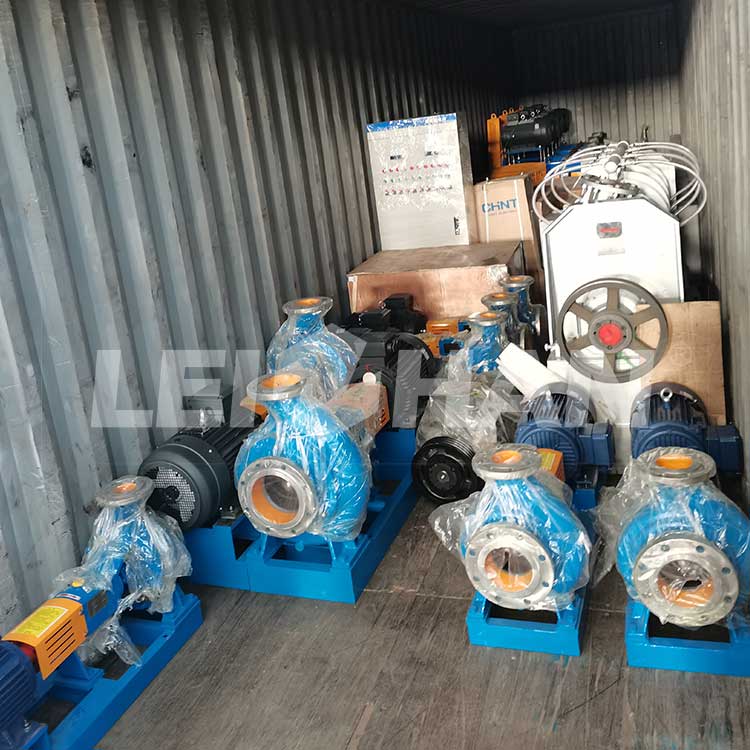
Energy-Efficient Pulping Systems for Corrugated Medium and TestlinerCorrugated medium and testliner production relies heavily on recycled fiber, with old corrugated containers (OCC) comprising 80–100% of the furnish. Processing OCC efficiently requires robust pulping, thorough contaminant removal, and energy-conscious refining — all while maximizing fiber yield from a variable-quality raw material stream.OCC Pulping: High-Consistency Drum PulpersDrum pulpers operating at 15–18% consistency offer significant energy advantages for OCC processing. Compared to conventional batch pulpers, drum pulpers reduce specific energy consumption by 25–30% (from 25–35 kWh/ton to 18–22 kWh/ton) while achieving superior defibering. The gentle tumbling action preserves fiber length, with fiber length reduction typically below 5% versus 8–12% in high-shear batch systems. Production capacities range from 200–800 TPD in single-vessel configurations.High-Density Cleaning and Coarse ScreeningFollowing pulping, high-density cleaners (HD cleaners) operating at 3–4% consistency remove heavy contaminants — stones, metals, glass — with 95%+ removal efficiency. Coarse screens with 1.5–2.5 mm holes protect downstream fine screening equipment. The perforated screen basket design handles the high contaminant load typical of post-consumer OCC without excessive reject rates.Fine Screening with Slotted BasketsPressure screens with 0.20–0.35 mm slots remove stickies, hot melts, and small debris. For testliner grades, 0.25–0.35 mm slots provide adequate cleanliness with high...
-
Coating Board Production: Pulp Preparation and Sheet Formati...
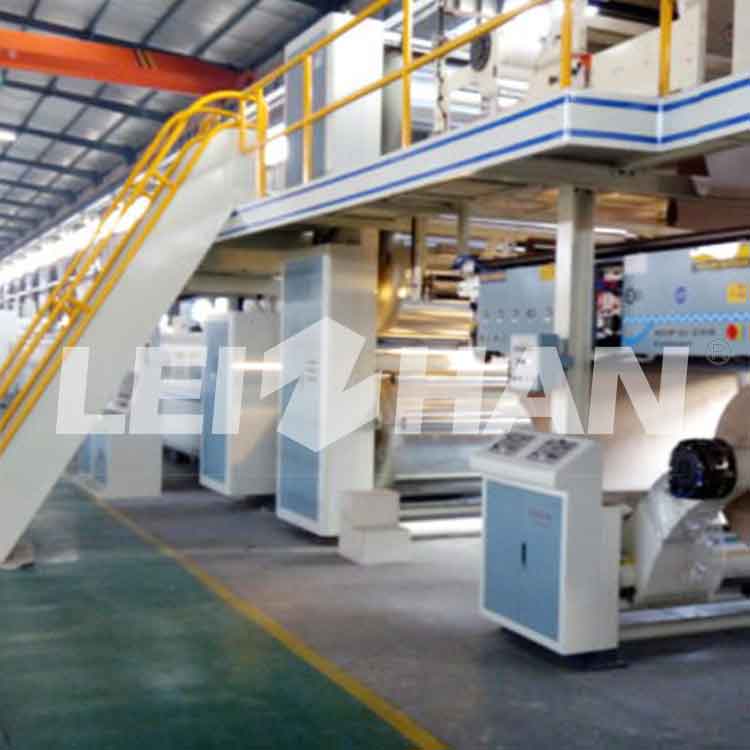
Coating Board Production: Pulp Preparation and Sheet FormationCoating board — used for premium packaging, graphical displays, and consumer goods — combines a multi-ply substrate with pigmented coating layers. The quality of the base board directly determines coating holdout, surface smoothness, and final printability. Stock preparation for coating board focuses on producing clean, well-refined fiber fractions across multiple furnish layers.Multi-Ply Pulp PreparationCoating board typically uses 3–5 plies with different fiber compositions: a top liner of bleached chemical pulp for brightness, middle plies of mechanical or recycled fiber for bulk, and a back liner of unbleached or recycled fiber. Each ply requires dedicated stock preparation lines. Hydraulic pulpers with 200–400 TPD capacity handle the bulk middle-ply recycled fiber, while smaller 50–150 TPD pulpers prepare the premium top-liner pulp.Screening Requirements by PlyTop liner stock passes through 0.10–0.15 mm slotted pressure screens to eliminate all visible contaminants. Middle plies can tolerate 0.20–0.30 mm slots, trading slightly lower cleanliness for higher yield. Reject thickening screens recover fiber from the tailings stream, reducing overall fiber loss to below 3%. Multi-stage screening with intermediate consistency regulation ensures stable operation across furnish variations.Refining Strategy for Multi-Ply BoardThe top liner undergoes intensive refining at 100–150 kWh/ton to develop surface...
-
Stock Preparation Optimization for High-Quality Cultural Pap...
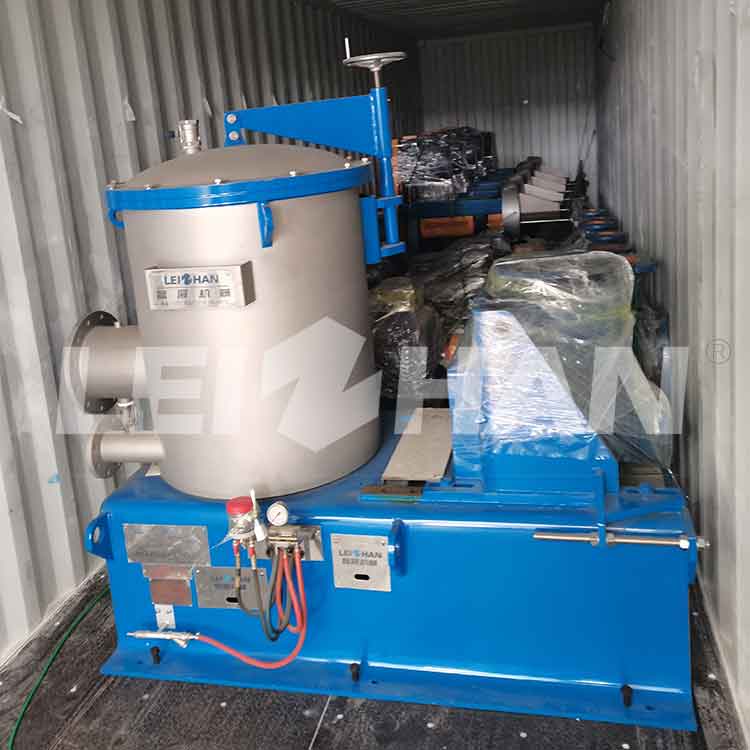
Stock Preparation Optimization for High-Quality Cultural PaperCultural paper grades — including writing, printing, and copy papers — demand exceptionally clean stock with uniform fiber morphology. Contaminants, shives, and fiber bundles that are acceptable in packaging grades become visible defects in uncoated fine paper. The stock preparation system must balance cleaning efficiency with fiber yield to maintain economic viability.Pulping and DeflakingFor virgin pulp-based cultural paper production, low-consistency pulpers operating at 3–5% consistency provide gentle fiber separation with minimal mechanical damage. D-type hydrapulpers with 55–132 kW motors are common for batch sizes of 5–15 m³. Deflakers downstream reduce residual fiber flakes without cutting, operating at 3–4% consistency with power consumption of 8–12 kWh per ton.Multi-Stage Screening and CleaningFine slotted pressure screens with 0.10–0.20 mm slots remove shives and fiber bundles. For high-brightness cultural grades, a 3-stage screening cascade (primary → secondary → tertiary) with progressively finer slots maximizes accepts quality. Centrifugal cleaners operating at 2.5–3.5 bar pressure differential remove high-density contaminants. A 4-stage cleaner system with declining accepts flow achieves dirt removal efficiency of 85–92% at 0.8–1.2% feed consistency.Precision RefiningDouble disc refiners with 660–910 mm disc diameter are the standard for cultural paper stock preparation. Applied specific edge load (SEL) of 0.3–0.8...