
Cultural Paper Making Line
-

Fine Screening Technology for Premium Writing and Printing P...
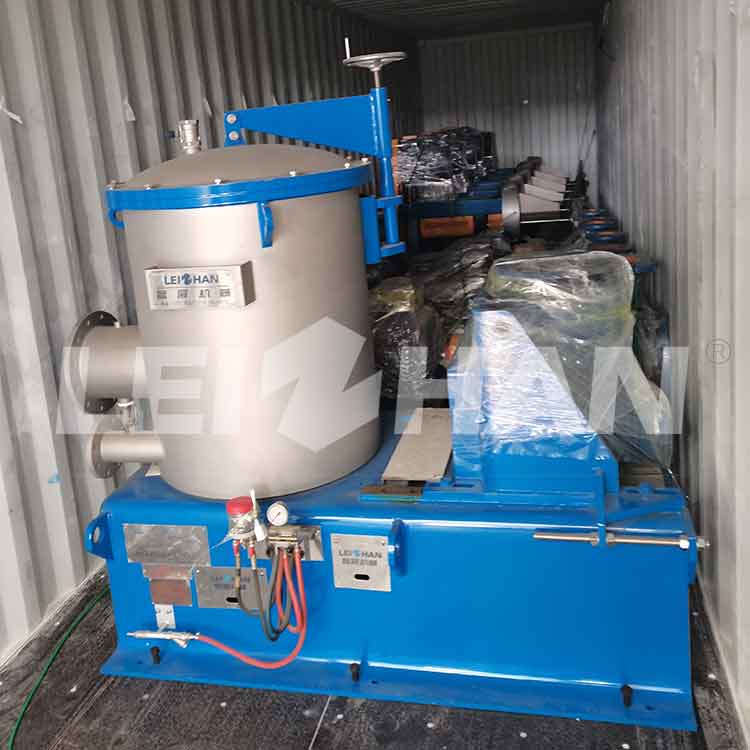
Fine Screening: The Critical Quality Gate for Premium Cultural PaperPremium writing and printing paper demands exceptional cleanliness and formation quality. Fine screening and cleaning systems serve as the final quality gate before the paper machine approach flow, removing contaminants that directly impact sheet appearance, printability, and runnability. Modern multi-stage screening systems can achieve contaminant removal efficiency above 98% while maintaining fiber yield above 95%.Screen Selection Parameters for Cultural Paper GradesPrimary Fine ScreenScreen basket: 0.10-0.20mm slots for coated grades, 0.15-0.25mm for uncoatedCapacity: 80-150 TPD per unitOperating consistency: 0.8-1.5%Motor power: 45-75 kWPulsation frequency: 40-60 Hz for optimal debris removalSecondary and Tertiary ScreensSecondary basket: 0.20-0.30mm slotsTertiary basket: 0.25-0.40mm slotsReject thickening: 2.0-3.0% before tertiary stageCombined fiber loss: 92% of feed flowStage 2-4: Progressive thickening and rejectionFinal reject:
-
Stock Preparation Optimization for High-Quality Cultural Pap...
Stock Preparation Optimization for High-Quality Cultural PaperCultural paper grades — including writing, printing, and copy papers — demand exceptionally clean stock with uniform fiber morphology. Contaminants, shives, and fiber bundles that are acceptable in packaging grades become visible defects in uncoated fine paper. The stock preparation system must balance cleaning efficiency with fiber yield to maintain economic viability.Pulping and DeflakingFor virgin pulp-based cultural paper production, low-consistency pulpers operating at 3–5% consistency provide gentle fiber separation with minimal mechanical damage. D-type hydrapulpers with 55–132 kW motors are common for batch sizes of 5–15 m³. Deflakers downstream reduce residual fiber flakes without cutting, operating at 3–4% consistency with power consumption of 8–12 kWh per ton.Multi-Stage Screening and CleaningFine slotted pressure screens with 0.10–0.20 mm slots remove shives and fiber bundles. For high-brightness cultural grades, a 3-stage screening cascade (primary → secondary → tertiary) with progressively finer slots maximizes accepts quality. Centrifugal cleaners operating at 2.5–3.5 bar pressure differential remove high-density contaminants. A 4-stage cleaner system with declining accepts flow achieves dirt removal efficiency of 85–92% at 0.8–1.2% feed consistency.Precision RefiningDouble disc refiners with 660–910 mm disc diameter are the standard for cultural paper stock preparation. Applied specific edge load (SEL) of 0.3–0.8...
-
Cultural Paper Production Line: From Pulp Preparation to Fin...
Cultural Paper Production Line: From Pulp Preparation to Finished SheetsCultural paper — encompassing printing, writing, and office papers — demands exceptional formation quality, high brightness, and precise caliper control. A modern cultural paper production line processes chemical pulp (bleached kraft or sulfite) through advanced stock preparation and high-speed paper machines to produce grades from 45–120 gsm at speeds up to 1200 m/min.The production sequence includes pulp refining for fiber development, multi-stage cleaning for contaminant removal, precision screening for shive elimination, and a gap former or hybrid former paper machine with extended nip press technology. Surface sizing and soft calendering provide the final printability and smoothness characteristics required for high-quality offset and digital printing applications.Core Equipment SpecificationsHydrapulper (Low Consistency): Capacity 150–400 TPD at 3–4.5% consistency, Vokes rotor design for gentle defibering that preserves fiber length. Motor power 90–315 kW depending on capacity.High Consistency Cleaner System: 4-stage cascade configuration, feed consistency 0.8–1.2%, rejects below 8% of feed. Removes sand, metal particles, and high-density contaminants with efficiency above 98%.Pressure Screen (Fine Slotted): Basket with 0.10–0.20 mm slots, maximum consistency 2.5%. Designed for final-stage screening before the paper machine headbox to eliminate all visible dirt specks.Disc Refiner (Post-Refining): Disc diameter 660 mm, motor 160–355...
-
Cultural Paper Making Line: Advanced Pulp Preparation for Wr...
Cultural Paper Production OverviewCultural paper encompasses writing paper, printing paper, copy paper, and offset paper used in offices, publishing, and educational applications. These grades demand high brightness (typically 85-95% ISO), excellent formation, and precise surface smoothness. The production line must deliver consistent pulp quality with minimal fiber damage, as end-use requirements for opacity, stiffness, and runnability on high-speed printing presses are stringent.Virgin and Recycled Fiber PulpingCultural paper lines use either virgin pulp (bleached hardwood and softwood kraft) or high-grade recycled fiber (sorted office paper, printer waste). The Hydraulic Pulper in this application operates at 3-5% consistency with capacities from 100-400 TPD. For deinked pulp (DIP) production, the pulper is followed by a deinking system incorporating flotation cells and washing stages. Power consumption for pulping averages 15-20 kWh per ton for virgin fiber and 20-30 kWh per ton for recycled fiber requiring deinking.Fine Screening and Centrifugal CleaningPressure Screens with 0.10-0.20mm slot baskets provide fine screening essential for cultural paper grades. The narrow slots remove shives, fiber bundles, and specks that would otherwise appear as defects in the finished sheet. A three-stage screening cascade maximizes fiber recovery while maintaining the cleanliness standard required for high-brightness grades. Centrifugal cleaners operating at 2.0-3.0 bar...
-

Advanced Deinking Technology for Premium Cultural Paper Prod...
Cultural Paper Production: Deinking and Refining Technology Premium cultural paper production requires advanced deinking systems and precise refining control. Writing paper, copy paper, and offset grades demand high brightness, uniform formation, and controlled surface properties. Deinking System Equipment High-Consistency Pulper: 14-18%, 40-50°C, chemical dosing for ink detachment Coarse Screening: 2.0-3.0mm holes for large contaminant removal Fine Screening: 0.15-0.25mm slots for small particles Flotation Deinking: Multi-stage cells, 0.8-1.2% consistency, 85-95% ink removal Dispersion: 80-95°C, 25-30% consistency for residual ink particle reduction Post-Flotation: 0.8-1.0% for final specks removal Disc Thickener: Concentrates to 8-12% before machine chest Refining Parameters by Grade Copy Paper (70-80 gsm): Target 35-40 °SR, SEL 1.0-1.5 J/m Offset (60-100 gsm): Target 38-45 °SR, SEL 1.2-1.8 J/m Writing/Bond (80-120 gsm): Target 40-48 °SR, SEL 1.5-2.0 J/m Energy Consumption Deinking system: 200-300 kWh/ton (flotation + dispersion + cleaning) Refining: 80-180 kWh/ton for 30-45 °SR increase Paper machine: 280-350 kWh/ton Maintenance Schedule Daily: Check flotation cell air flow, verify chemical dosing rates, monitor brightness Weekly: Inspect screen baskets, check refiner plate gap, verify disc thickener filtrate clarity Monthly: Calibrate brightness meter, check disperser disc wear, clean flotation cells Quarterly: Refiner plate inspection, screen basket replacement if slots widened >15% Contact us for...
-

Advanced Deinking Technology for Premium Cultural Paper Manu...
Cultural Paper Production: Deinking and Refining Technology Premium cultural paper production requires advanced deinking systems and precise refining control. Writing paper, copy paper, and offset grades demand high brightness, uniform formation, and controlled surface properties. Deinking System Equipment High-Consistency Pulper: 14-18%, 40-50°C, chemical dosing for ink detachment Coarse Screening: 2.0-3.0mm holes for large contaminant removal Fine Screening: 0.15-0.25mm slots for small particles Flotation Deinking: Multi-stage cells, 0.8-1.2% consistency, 85-95% ink removal Dispersion: 80-95°C, 25-30% consistency for residual ink particle reduction Post-Flotation: 0.8-1.0% for final specks removal Disc Thickener: Concentrates to 8-12% before machine chest Refining Parameters by Grade Copy Paper (70-80 gsm): Target 35-40 °SR, SEL 1.0-1.5 J/m Offset (60-100 gsm): Target 38-45 °SR, SEL 1.2-1.8 J/m Writing/Bond (80-120 gsm): Target 40-48 °SR, SEL 1.5-2.0 J/m Energy Consumption Deinking system: 200-300 kWh/ton (flotation + dispersion + cleaning) Refining: 80-180 kWh/ton for 30-45 °SR increase Paper machine: 280-350 kWh/ton Maintenance Schedule Daily: Check flotation cell air flow, verify chemical dosing rates, monitor brightness Weekly: Inspect screen baskets, check refiner plate gap, verify disc thickener filtrate clarity Monthly: Calibrate brightness meter, check disperser disc wear, clean flotation cells Quarterly: Refiner plate inspection, screen basket replacement if slots widened >15% Contact us for...