
Corrugated Paper Making Line
-

Maximizing Fiber Recovery in Corrugated Paper Recycling Syst...
The Economics of Fiber Recovery in Corrugated Paper Production Corrugated medium and testliner production relies heavily on recycled fiber — typically 80–100% OCC (old corrugated containers) as raw material. Fiber loss in the recycling process directly impacts production costs: every percentage point of fiber lost represents approximately .50–.00 per ton of production in wasted raw material. For a 400 TPD mill, a 3% fiber loss equates to .1–1.7 million in annual fiber costs. Modern fiber recovery systems target total system fiber loss below 1.5%, with the best-performing mills achieving losses as low as 0.8%. This requires an integrated approach combining efficient pulping, multi-stage screening, reject refining, and sludge dewatering. Key Equipment for Maximum Fiber Recovery High-Consistency Hydrapulper Capacity: 200–600 TPD at 14–18% consistency. Power: 132–500 kW depending on pulper size. Extraction plate: 6–10 mm hole diameter for effective initial fiber separation. Pulping time: 15–25 minutes per batch for OCC. Junk removal: Automatic ragger and junk tower remove wire, plastic, and heavy contaminants during pulping before they can be broken down into smaller particles. Multi-Stage Screening Cascade Primary pressure screen: 0.20–0.35 mm slots. Accepts 80–85% of feed. Rejects proceed to secondary screening. Secondary screen: 0.20–0.30 mm slots. Further fiber recovery from...
-

Energy-Efficient Double Disc Refiner: Cut Power Costs in Cor...
Double Disc Refiner Selection Cuts Power Costs by 15-20% in Corrugated Production A properly sized double disc refiner is the largest single energy consumer in stock preparation — accounting for 30-40% of total pulping line power. Selecting the right disc diameter, motor power, and plate pattern can reduce refining energy by 15-20% while maintaining target freeness for corrugated medium and testliner grades. Leizhan Double Disc Refiner Series Model Disc Diameter Motor (kW) Capacity (TPD) Energy (kWh/t) ZDP-660 660 mm 250-315 80-150 15-18 ZDP-910 910 mm 500-630 200-350 14-17 ZDP-1100 1100 mm 710-900 350-550 13-16 How Disc Refiner Energy Consumption Is Calculated Refining energy is measured in kWh per ton of pulp and follows the Specific Edge Load (SEL) theory: SEL = Net Power / (Cutting Edge Length × RPM). For corrugated medium (target freeness 350-400 CSF), SEL of 0.8-1.2 J/m is optimal. Below 0.8, fibers are inadequately treated; above 1.2, fiber cutting occurs. Energy-Saving Strategies Variable frequency drive (VFD) on the refiner motor allows operators to adjust RPM to match production demand, saving 8-12% energy during partial-load operation. Plate pattern selection matters: fine-bar plates consume 10-15% more energy than coarse-bar plates but produce superior strength development. For corrugated medium, coarse-bar...
-
Energy-Efficient Approach Flow Systems for High-Strength Cor...
Approach Flow System Design for High-Strength Corrugated PaperThe approach flow system is the final processing stage before sheet formation, where stock consistency, pressure, and flow uniformity directly determine paper machine stability and sheet quality. For high-strength corrugated medium and testliner production, precise approach flow control can reduce basis weight variation by 40-50% and improve machine efficiency by 3-5 percentage points.System Components and SpecificationsMachine Chest and Stuff BoxMachine chest: 30-50 m³ capacity, 30-40 minute retention at design flowConsistency: 2.8-3.5% entering machine chestStuff box: Constant head design, 3-5 m³, overflow control ±2mmAgitation: Side-entering propeller, 15-22 kWFan Pump and ScreeningFan pump: 3,000-5,000 m³/h at 25-35m head for 400 TPD machineMotor power: 315-500 kW with VFDMachine screen: 0.20-0.35mm slots, single or double basketAccept consistency: 0.6-1.0% entering headboxDeaeration and Headbox SupplyDeculator or vacuum deaeration tank: 8-12 m³Air content target:
-
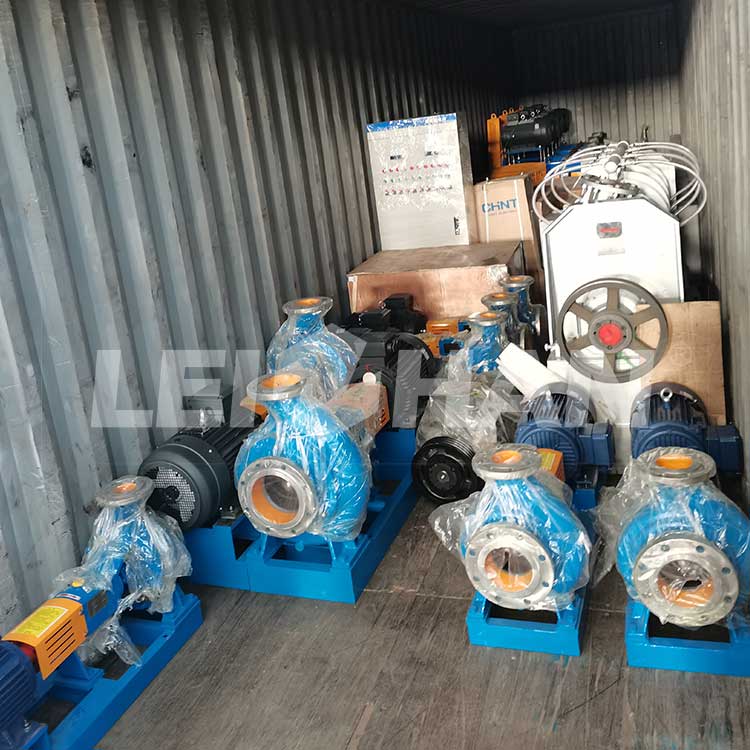
Energy-Efficient Pulping Systems for Corrugated Medium and T...
Energy-Efficient Pulping Systems for Corrugated Medium and TestlinerCorrugated medium and testliner production relies heavily on recycled fiber, with old corrugated containers (OCC) comprising 80–100% of the furnish. Processing OCC efficiently requires robust pulping, thorough contaminant removal, and energy-conscious refining — all while maximizing fiber yield from a variable-quality raw material stream.OCC Pulping: High-Consistency Drum PulpersDrum pulpers operating at 15–18% consistency offer significant energy advantages for OCC processing. Compared to conventional batch pulpers, drum pulpers reduce specific energy consumption by 25–30% (from 25–35 kWh/ton to 18–22 kWh/ton) while achieving superior defibering. The gentle tumbling action preserves fiber length, with fiber length reduction typically below 5% versus 8–12% in high-shear batch systems. Production capacities range from 200–800 TPD in single-vessel configurations.High-Density Cleaning and Coarse ScreeningFollowing pulping, high-density cleaners (HD cleaners) operating at 3–4% consistency remove heavy contaminants — stones, metals, glass — with 95%+ removal efficiency. Coarse screens with 1.5–2.5 mm holes protect downstream fine screening equipment. The perforated screen basket design handles the high contaminant load typical of post-consumer OCC without excessive reject rates.Fine Screening with Slotted BasketsPressure screens with 0.20–0.35 mm slots remove stickies, hot melts, and small debris. For testliner grades, 0.25–0.35 mm slots provide adequate cleanliness with high...
-
Corrugated Paper Making Line: High-Strength Medium and Testl...
Corrugated Paper Making Line: High-Strength Medium and Testliner ProductionCorrugated medium and testliner are the structural components of corrugated boxes, accounting for over 70% of global packaging paper production. A modern corrugated paper making line processes recycled fiber (OCC — old corrugated containers) through robust stock preparation, high-consistency forming, and efficient drying to produce fluting medium (90–150 gsm) and testliner (110–200 gsm) at 300–800 TPD.The distinguishing feature of corrugated paper production is its tolerance for lower-quality fiber sources. The stock preparation system must handle high contaminant loads including staples, plastics, hot melts, and wet-strength additives commonly found in post-consumer OCC. Equipment selection emphasizes ruggedness, ease of maintenance, and contamination removal efficiency over fine fiber development.Stock Preparation for OCC RecyclingDrum Pulper: Capacity 400–800 TPD, operating consistency 15–18% for gentle defibering with minimal contaminant breakdown. Continuous operation with 15–25 minute retention time for complete fiberization. Motor power 400–900 kW.High-Density Cleaner: 4–6 inch diameter, feed consistency 3–4%, pressure drop 140–180 kPa. Removes heavy contaminants (stones, metal, glass) with 95%+ efficiency. Multi-stage cascade configuration minimizes fiber loss.Coarse Pressure Screen: Basket with 2.0–3.0 mm holes, consistency 3–4%, reject rate 15–25%. Primary function is removing coarse plastics and undisintegrated fiber bundles.Fine Pressure Screen: Basket with 0.25–0.35 mm...
-
Corrugated Paper Making Line: High-Performance Production fo...
Corrugated Medium and Testliner ProductionCorrugated paper, including corrugating medium and testliner grades, forms the structural core of corrugated board packaging. Production volumes for these grades are among the highest in the paper industry, with single machines producing 300-800 TPD. The stock preparation line must handle high volumes of recycled fiber, primarily OCC (Old Corrugated Containers), while maintaining consistent quality for high-speed corrugator operation. Basis weights typically range from 90-180 gsm for medium and 115-200 gsm for testliner.High-Capacity Pulping for OCC ProcessingThe pulping stage uses large-capacity Hydraulic Pulpers rated at 400-800 TPD for single-line operations. Operating consistency of 3.5-5% with rotor power of 250-500 kW ensures rapid defibering of OCC bales. The pulper includes efficient junk removal through raggers, junkers, and a debris extraction well. Pulping energy consumption for OCC is relatively low at 18-25 kWh per ton due to the already-processed nature of the fiber, though starch and adhesive residues from previous converting operations require additional cleaning stages.Robust Screening and Cleaning SystemsPressure Screens with 0.20-0.35mm slot baskets form the primary screening stage, handling the high contamination load typical of post-consumer OCC. A two-stage screening cascade with secondary and tertiary stages recovers usable fiber from the primary screen rejects. The reject...